


In today's competitive job market, submitting a great resume is no longer enough — you need one that's specifically built to pass through Applicant Tracking Systems (ATS). If you've been applying to jobs and not getting responses, there's a high chance your resume is being automatically filtered out before a human ever sees it.
This guide breaks down exactly what an ATS resume is, why it matters, and how you can build one that dramatically increases your chances of landing interviews.
💡 Did you know? Over 90% of Fortune 500 companies use ATS software to filter job applications before a single recruiter sees them.
What Is an ATS Resume?
An ATS resume is a resume specifically designed to pass through Applicant Tracking System (ATS) software — tools used by employers to automatically screen, rank, and filter incoming job applications.
Before a human recruiter ever reads your resume, ATS software scans it to determine whether it matches the job requirements. It checks for:
- Relevant keywords from the job description
- Required skills and qualifications
- Job titles and years of experience
- Formatting compatibility with the system
If your resume doesn't meet these criteria, it can be automatically rejected — no matter how qualified you are for the role.
Why Is an ATS Resume Important?
With hundreds of applications submitted for every job posting, companies rely on ATS software to manage the volume. This means your resume must first pass a machine filter before it ever reaches a human eye.
An ATS-optimized resume gives you three core advantages:
Without an ATS-optimized resume, you're essentially invisible in the hiring process — even if you're the most qualified candidate applying.
How ATS Systems Work
ATS software works by parsing your resume and comparing it against the requirements in the job description. It assigns a match score based on several factors, and only top-scoring resumes are passed on to human review.
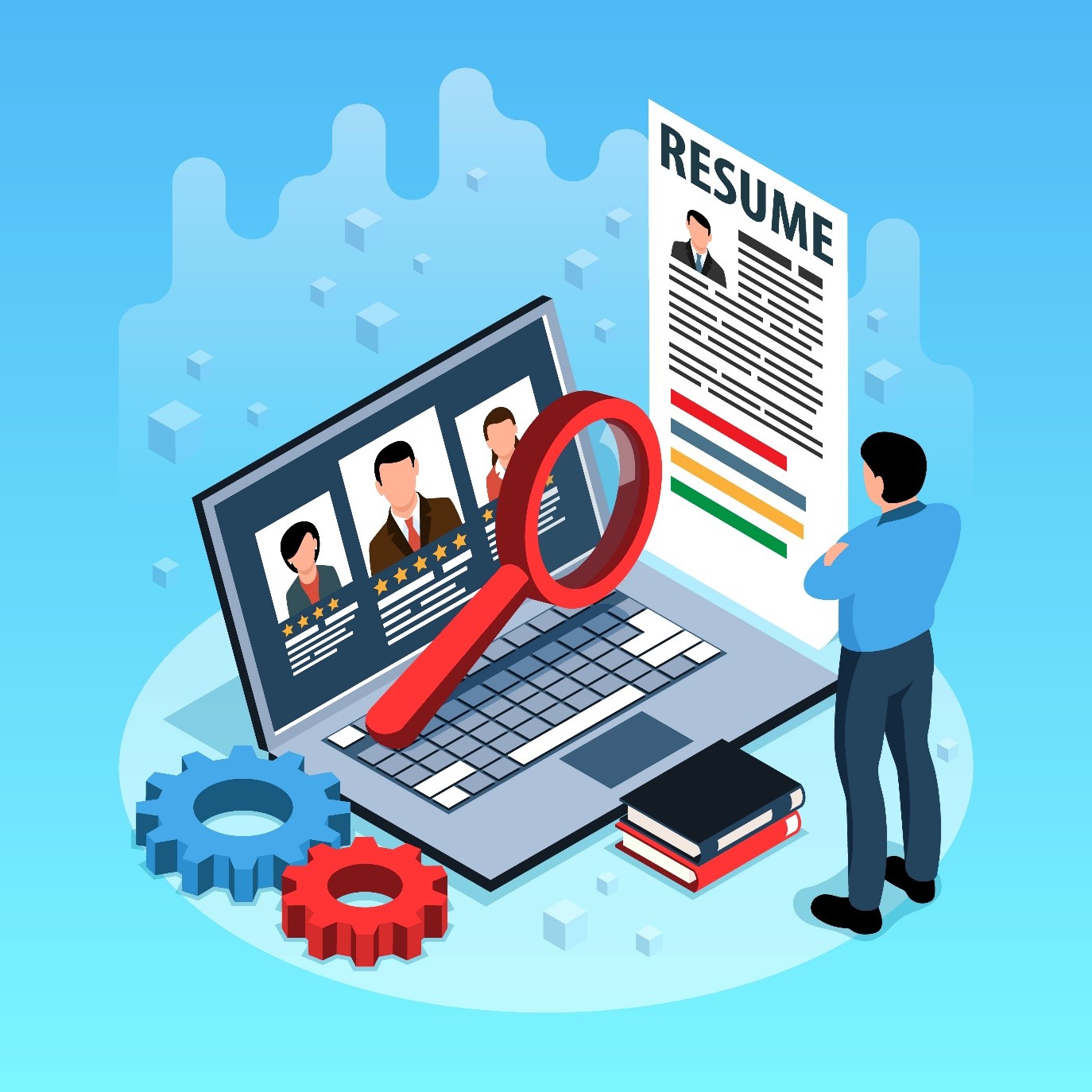
The key factors ATS systems evaluate include:
- Keyword matching — does your resume use the same language as the job posting?
- Skills alignment — are your skills relevant and clearly listed?
- Experience relevance — does your background match the role requirements?
- Formatting readability — can the system parse your resume cleanly without errors?
The higher your match score, the more likely your resume will be shortlisted for human review. Missing even a few important keywords can drop you out of consideration entirely.
Common ATS Resume Mistakes to Avoid
Many job seekers unknowingly make errors that cause automatic rejection. Here are the most critical mistakes to avoid:
⚠️ Mistakes That Get You Automatically Rejected
- Using fancy designs, graphics, or tables — ATS systems can't parse complex visual layouts
- Missing keywords from the job description — lowers your match score dramatically
- Uploading in unsupported formats — always use .docx or .pdf unless the job specifies otherwise
- Writing vague, generic duties — "managed a team" vs "led a 6-person team to deliver a project 2 weeks ahead of schedule"
- Sending the same resume everywhere — not tailoring for each role is one of the most common and costly mistakes
Even small formatting errors can significantly lower your ATS score — which means a less experienced candidate with a better-optimized resume will rank above you.
How to Create a Strong ATS Resume (5 Steps)
Building an ATS-optimized resume doesn't require a professional designer — it requires the right strategy. Follow these five steps:
-
Use Job-Specific Keywords
Read the job description carefully and mirror the exact keywords and phrases used. If the posting says "project management," use that exact term — not "managing projects." -
Keep Formatting Clean and Simple
Use a single-column layout, standard fonts (Arial, Calibri, or Times New Roman), and avoid headers, footers, graphics, or text boxes that confuse ATS parsers. -
Highlight Relevant Skills Clearly
Include a dedicated "Skills" section that lists both technical and soft skills matching the job requirements in a clean, scannable format. -
Use Standard Section Headings
Stick to headings ATS systems expect: "Work Experience," "Education," "Skills," and "Certifications." Creative headings like "My Journey" confuse automated parsers. -
Customize for Every Application
Tailor your resume specifically for each role. A targeted resume consistently outperforms a generic one — even when the generic version lists more experience.
How Career Pilot Helps You Build a Winning ATS Resume
Creating an ATS resume can be confusing and time-consuming — but this is exactly where Career Pilot makes the difference. Instead of guessing what works, Career Pilot combines AI technology and expert career coaching to ensure your resume is fully optimized and job-ready.
Here's how Career Pilot helps:
Get Your AI Career Intelligence Report
With Career Pilot, you don't just get feedback — you get a complete career snapshot that gives you a clear roadmap to improve and start getting more interviews faster.
Final Thoughts
An ATS resume is no longer optional — it's essential for anyone serious about their job search. If your resume isn't optimized, your chances of being noticed are extremely low, no matter how qualified you are.
The good news is that with the right tools and guidance, you can significantly improve your resume, increase your ATS score, and start receiving more callbacks from the right employers.
Career Pilot combines AI-powered resume optimization with expert career coaching to give you the best possible chance of getting shortlisted — and ultimately landing the job you deserve.